Sonic the Hedgehog has been a fixture of the gaming world for more than three decades, but the character apparently came far closer to being retired than most players would guess. Takashi Iizuka, the veteran boss of Sonic Team, has revealed that at one point the people running Sega wanted to shut the whole series down, and that keeping it alive required a fight from inside the company.
Iizuka shared the story in an interview with One More Game, looking back over a career that has seen the blue blur soar and stumble in roughly equal measure. When the conversation turned to the leaner years, he did not try to soften the picture.
An order to cancel the hedgehog
By Iizuka’s account, the pressure eventually reached a point where the decision-makers at Sega concluded the hedgehog was no longer worth the investment. He said he was told during the roughest stretch that the entire franchise should be cancelled, and that he had to campaign internally to keep it running for as long as he could.
His summary of that era was blunt: there had been good times and there had been bad times. Still, he made clear that the bad ones were serious enough to threaten the hedgehog’s continued existence. That a character so closely tied to Sega’s identity could have been shelved entirely is a striking detail, especially for anyone who grew up with the Mega Drive and Dreamcast eras.
The movie that changed the course
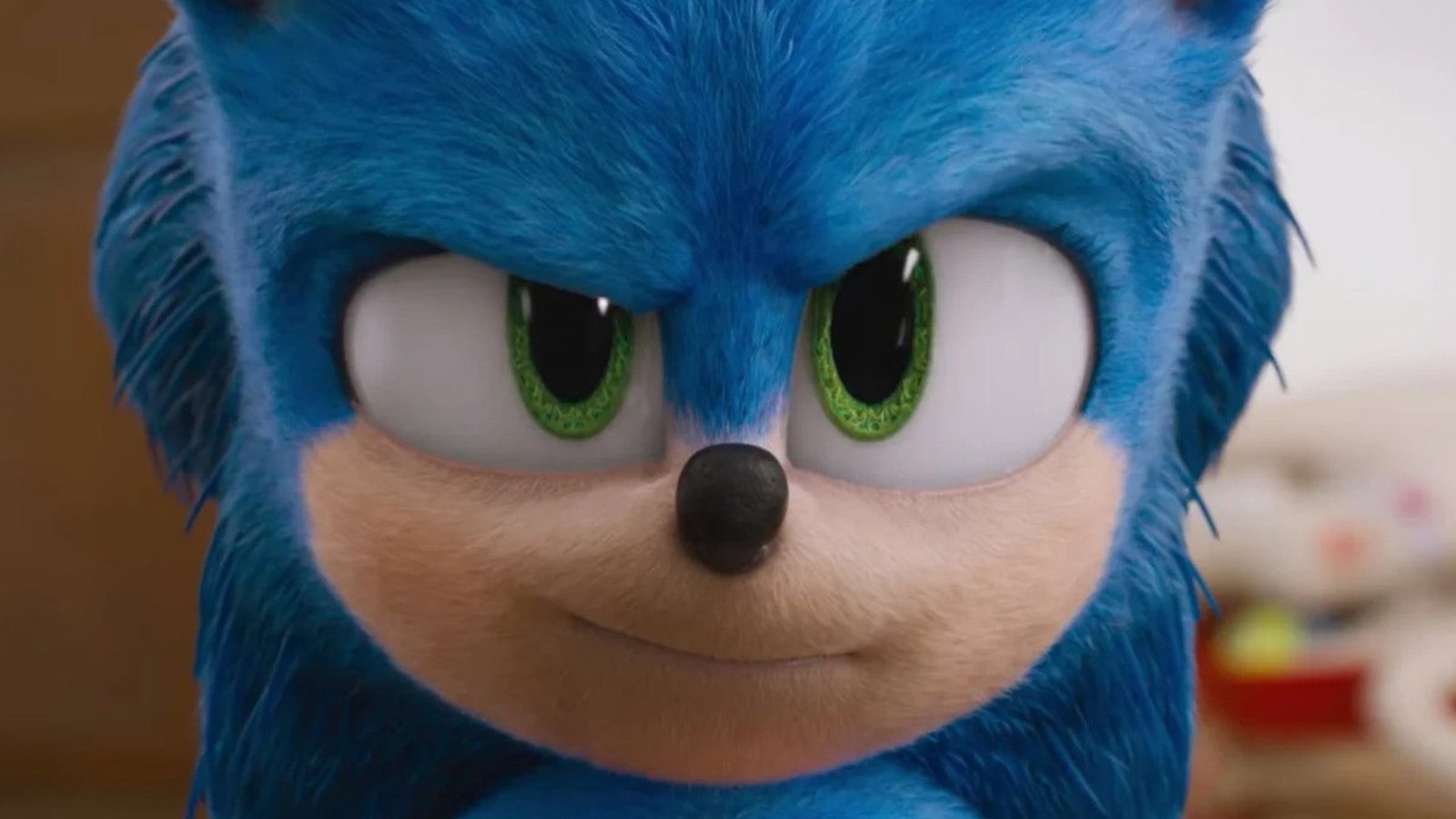
What rescued the series, according to Iizuka, came from outside gaming altogether. He singled out the first Sonic the Hedgehog film, released in 2020, as the biggest milestone of his tenure, describing it as a major hit that altered the direction of the franchise.
The logic is easy enough to follow. A big-screen adaptation pulls in viewers who may never have picked up a controller, and it puts the brand in front of a much wider audience than a new platformer usually reaches. For a series whose reputation had taken a knock, that kind of exposure was worth a great deal.
It is also a slightly awkward truth for purists. Fans who have spent years defending the games while dismissing the films may find themselves in the odd position of owing the movies a thank-you, at least where the survival of the series is concerned.
A shaky start that turned into a phenomenon
The first film did not arrive under happy circumstances. When the debut trailer landed, the reaction was hostile enough to become its own news story. The design shown at the time looked nothing like the character players knew, and the backlash was loud and immediate.
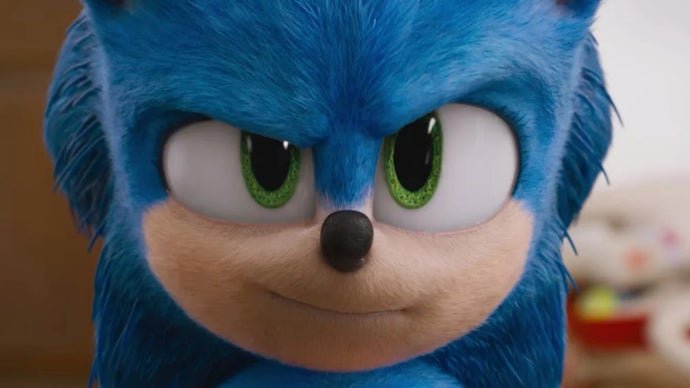
Paramount responded by pushing the release back so the animators could rework the character from scratch. It was an expensive and widely reported decision, and it paid off. When the movie finally reached cinemas, the redesigned hedgehog was warmly received, and the film became a hit. Sequels followed, and a spin-off series centred on Knuckles arrived on Paramount Plus, cementing the films as a reliable commercial engine for the brand.
Something new almost every year
Iizuka did not use the interview to announce a specific new game. What he did offer was a broader plan for how Sega intends to keep the character visible. He said the company aims to put out some form of Sonic media almost every year from now on, whether that means an anime, a video game or a film.
That steady drumbeat is a notable shift in strategy. Instead of long silences between major releases, the idea is to keep the hedgehog in the public eye on a predictable schedule. A fourth movie, which will bring Amy Rose into the fold for the first time, is due out next year.
More emphasis on storytelling in games
The films have also left a mark on how Iizuka thinks about game development. He noted that projects like the movies place a heavy weight on narrative, and said he would like to build games that lean harder into story in a similar way.
That ambition raises an interesting question. Sonic titles have tried serious plotting before, with mixed results, and the series has often been at its best when it keeps things simple and fast. Balancing a stronger narrative with the momentum-driven gameplay that defines the character is a tricky line to walk, but it appears to be where the team is heading.
What it means for the fanbase
The news lands in a fandom that has never fully agreed on anything. Some players adore the films, others find them hard to sit through, and arguments about which games deserve praise have been running for decades. The one point that seems hard to dispute is that the brand is in a healthier place than it was during the period Iizuka described.
Whether that stability eventually produces the kind of game that satisfies long-time fans is another matter. For now, the takeaway is simple. A character who once faced an internal push for cancellation is still standing, still making films, and still drawing up plans for the years ahead, largely because a live-action hedgehog turned out to be exactly what the franchise needed.
Media
Source: Rock Paper Shotgun NEWS