
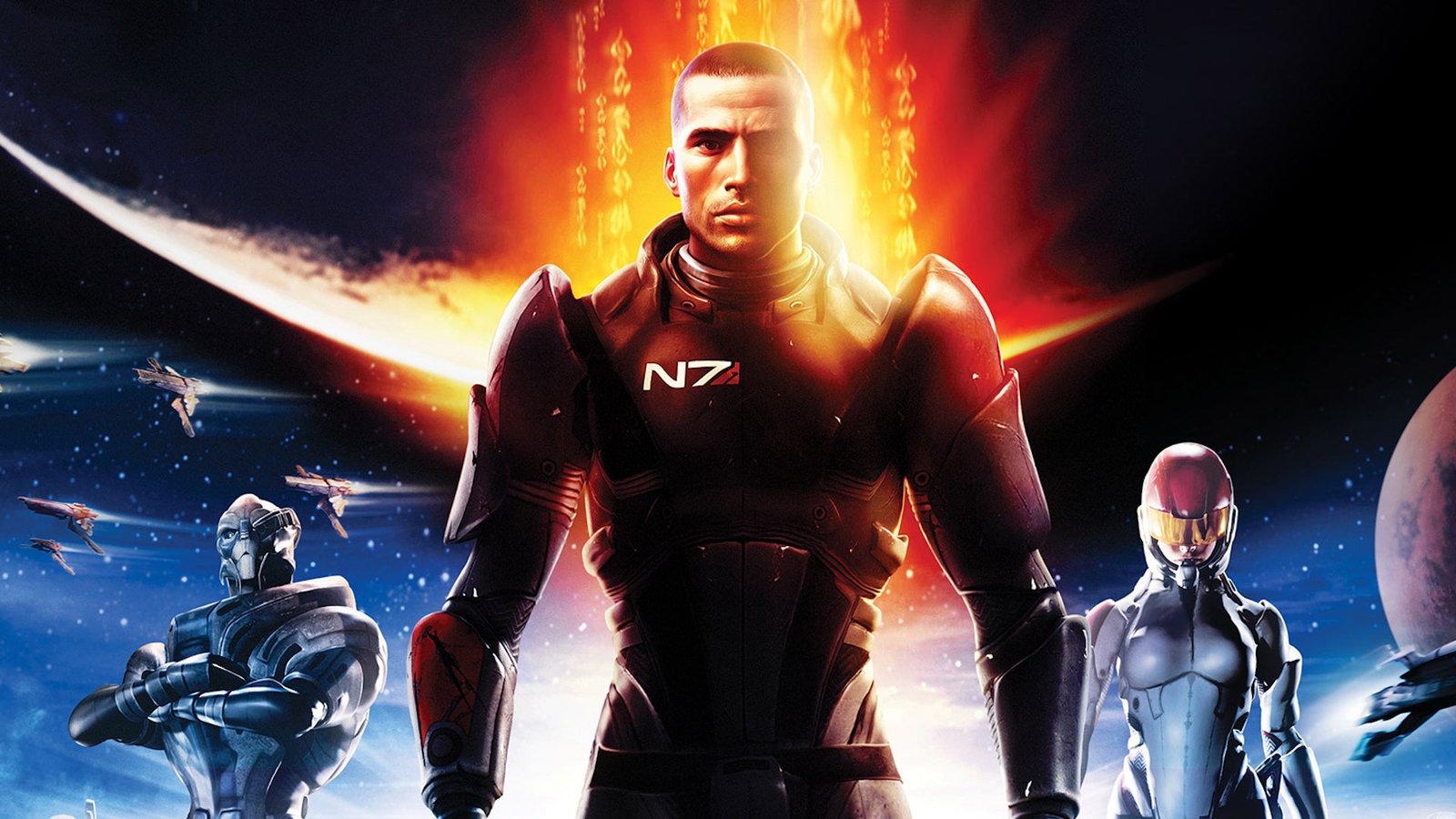
Mass Effect fans have learned to be cautious. After Mass Effect: Andromeda stumbled and Anthem pulled BioWare in a different direction, the next Mass Effect has carried a lot of weight. Now a former BioWare developer has offered a surprisingly hopeful argument: the series could still be saved, and one of the keys may come from Clair Obscur: Expedition 33.
That might sound odd. One is a sci-fi blockbuster about Commander Shepard’s galaxy; the other is a stylish turn-based RPG from a smaller studio. But the point is not to turn Mass Effect into Expedition 33. The point is to understand why Expedition 33 connected with players so strongly, and what BioWare can learn from that discipline.
The suggestion, and what it really means
According to the discussion, an ex-BioWare veteran suggested that Mass Effect’s future could be secured with a key lesson from Clair Obscur: Expedition 33. The headline is easy to misread. It does not mean Mass Effect should abandon real-time combat, cinematic storytelling, or its space-opera identity. Instead, it points to something more fundamental: creative focus.
Expedition 33 is not successful because it copied a trend. It is successful because it knows exactly what it is. Its Belle Époque-inspired world, party-based combat, and emotional story feel deliberate. The game sets boundaries and then makes those boundaries feel rich. For a franchise like Mass Effect, that is a more useful lesson than any single mechanic.
Why Clair Obscur is an unlikely blueprint
Clair Obscur: Expedition 33 arrived as a turn-based RPG with real-time defensive mechanics, a distinctive art direction, and a smaller-team energy that many big-budget games lack. It did not need a live-service roadmap, a sprawling open world, or a hundred-hour checklist to make an impression. Its scope appears to have been shaped around its strengths.
That contrast matters for Mass Effect. The original trilogy was ambitious, but it was also focused. It had a clear premise, a memorable crew, and a galaxy that felt large because the choices felt personal. Later entries expanded the scale, but not always the clarity. When a game tries to be everything, the core can get lost.
The real lesson is scope discipline
For BioWare, the practical takeaway is not to make a smaller game in a simplistic sense. It is to define the next Mass Effect by a few strong pillars and protect them. A focused Mass Effect could still be big, but it should feel intentionally big. Fans should be able to explain the hook in one sentence, and the development team should be able to do the same.
- A clear premise: What is the new galactic threat, and why does it matter to this crew?
- Companions with weight: Mass Effect lives or dies on party relationships, not just squad perks.
- A combat loop with identity: Powers, guns, and squad commands should feel like Mass Effect, not a generic shooter.
- Choices that shape the journey: Replay value comes from consequence, not collectibles.
Those pillars are not glamorous. They are the difference between a game that chases the market and a game that gives players a reason to care.
Turn-based combat is not the point
Some fans will read the headline and ask whether Mass Effect should go turn-based. That is probably the wrong question. Expedition 33’s combat works because it fits its world and its team’s strengths. Mass Effect’s identity is a third-person action RPG with cinematic conversation and squad tactics. It can borrow clarity and confidence from Expedition 33 without borrowing its genre.
The more interesting question is how Mass Effect uses its combat to reinforce its fiction. Do squadmates feel like people with abilities and opinions? Do powers create tactical decisions? Does the game trust players to learn its systems? Those are design questions that apply whether the combat is real-time or turn-based.
What BioWare can realistically do
BioWare is not an independent studio with the same constraints as Expedition 33’s team. It operates inside a large publisher and carries enormous fan expectations. That makes the lesson harder to apply, not less relevant. A bigger budget cannot replace a clear creative direction. If anything, large projects need stronger guardrails because every extra system adds cost and risk.
The next Mass Effect does not need to apologize for being a AAA game. It needs to show that its scale serves the story. A tight reveal, a gameplay demonstration that looks honest, and a clear statement of scope would do more for trust than another cinematic teaser. Fans have been burned by promises before. Concrete evidence will matter more than nostalgia.
Verdict / Takeaway
The former BioWare developer’s point is less about copying Clair Obscur: Expedition 33 and more about recovering the discipline that made it stand out. Mass Effect can still be saved if BioWare defines what makes the series special and builds around that identity instead of chasing every trend. The franchise does not need to become another game. It needs to remember why it became beloved in the first place.
Source: IGN News