
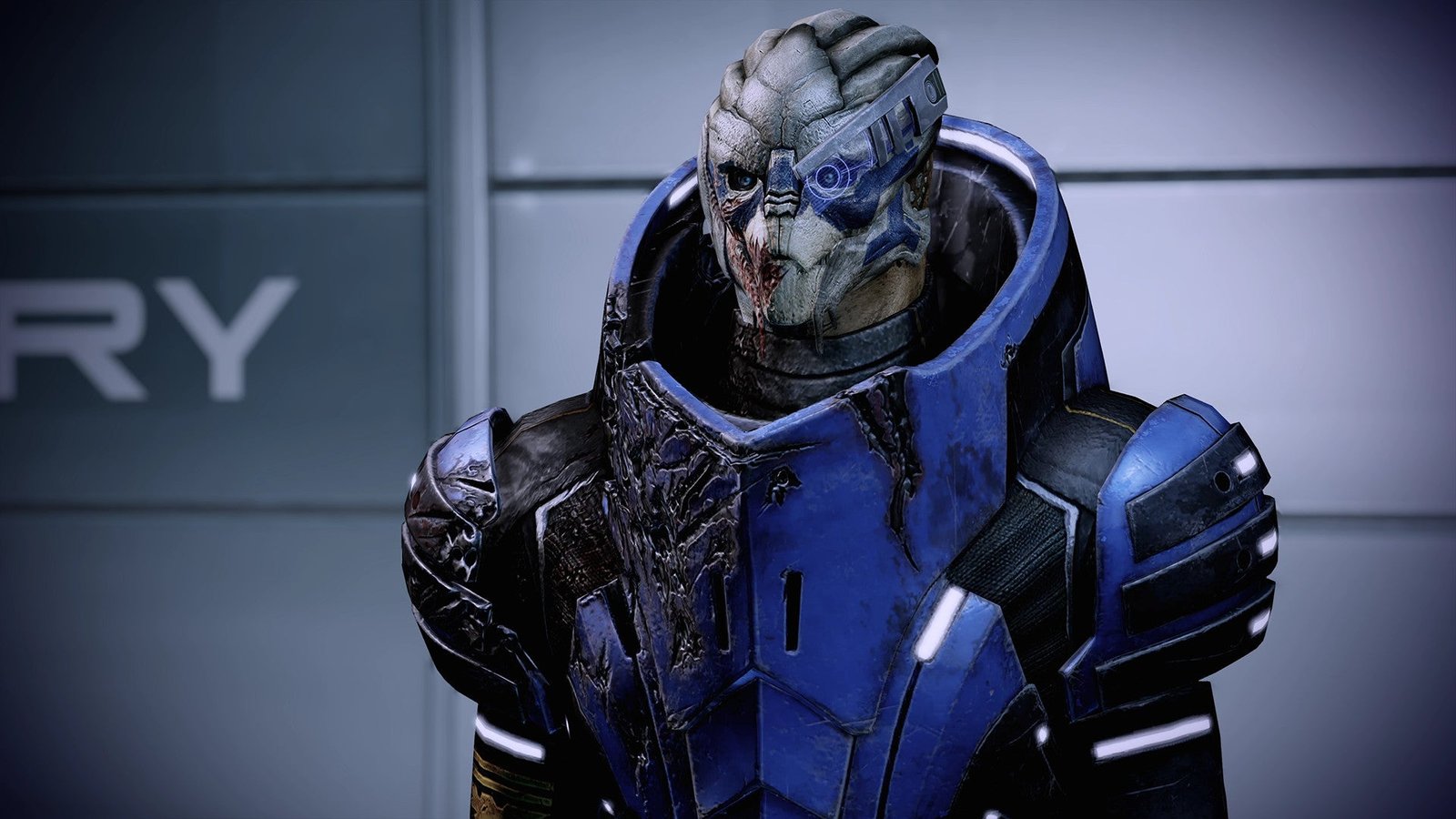
BioWare is gone. Not trimmed down, not folded into a smaller “core team” — shut down by EA this month. For anyone who spent their teenage years arguing over whether Kaidan or Ashley deserved to survive Virmire, that sentence still reads like a typo. Yet according to a Bloomberg postmortem, the studio’s fate may have been sealed less by the quality of its last few games and more by a single spreadsheet call made far above Edmonton.
The short version: EA leadership reportedly chose Star Wars Battlefront 3 over Mass Effect 5 when it came time to commit serious money. Once that decision landed, the runway for the studio behind both franchises became very short indeed.
What the report actually says
Bloomberg’s account describes a publisher under financial pressure. EA, carrying debt from the leveraged buyout that handed control to the Saudi government and private equity, was looking to avoid burning cash on uncertain bets. That is roughly when Disney arrived with an offer to make another Battlefront.
So the two projects became a straight comparison. Hundreds of millions of dollars would go to whichever franchise looked like the safer return, and the suits picked the licensed one. Battlefront 3 reportedly hasn’t even entered production yet, which tells you plenty about how these decisions get made — the name on the box mattered more than any playable build.
The logic behind the choice
It’s worth spelling out why the maths looked so lopsided from a boardroom chair.
| Factor | Star Wars Battlefront 3 | Mass Effect 5 |
|---|---|---|
| Brand recognition | One of the highest-grossing media franchises on earth | Beloved, but niche by comparison |
| Genre fit | Shooter — EA’s comfort zone | Story-driven RPG, harder to monetise |
| Rights holder | Disney takes a cut | Fully owned by EA |
| Perceived risk | Low | High, after three rocky launches |
Notice the contradiction buried in that last row. The supposedly safe option is the one where a third party holds the licence. The risky one is the IP EA owns outright. Star Wars does sit just below Winnie the Pooh on Wikipedia’s list of the highest-grossing media franchises, so the appeal is understandable — but safe isn’t the same as smart.
It wasn’t only Star Wars
To be fair to the report, the Star Wars decision wasn’t the sole cause. BioWare’s release record since Mass Effect: Andromeda has been a slow slide: Andromeda arrived broken and was patched into adequacy, Anthem collapsed under its own ambitions, and Dragon Age: The Veilguard, whatever you thought of it, didn’t reverse the trend.
Then there was the summer reshuffle. EA Sports-linked executives David Tinson and Cam Weber were promoted, while Laura Miele — widely described as BioWare’s strongest internal advocate — was moved sideways into a role chasing “strategic growth opportunities beyond EA’s core business.” Read that however you like, but losing your loudest voice in the room rarely helps.
An EA spokesperson told Bloomberg the decision came “collectively” after months of planning and analysis. Standard corporate language, and not especially illuminating.
Where the next Mass Effect goes now
Respawn and DICE are reportedly lined up for Battlefront 3. BioWare’s staff, meanwhile, are scattered across the industry — and this is the part I keep coming back to.
Speaking purely for myself here: I genuinely hope the ex-BioWare developers get another shot at Mass Effect. Not a reboot handed to a studio that has never written a compelling companion character, but a real continuation built by the people who know why the trilogy worked. Plenty of them are still in the industry, many at independent studios, and history shows that talent usually finds a way back. If EA ever wants to revive the franchise, assembling that scattered team is the only version of the project worth funding.
Verdict
BioWare’s closure is a story about money, timing and brand safety — not about whether Mass Effect 5 would have been good. The uncomfortable lesson for players is that quality and survival are only loosely connected in AAA publishing. The practical takeaway is simpler: support the studios and crowdfunded projects where displaced developers land next. That’s where the next great RPG is most likely to come from.
Media
Source: Rock Paper Shotgun