
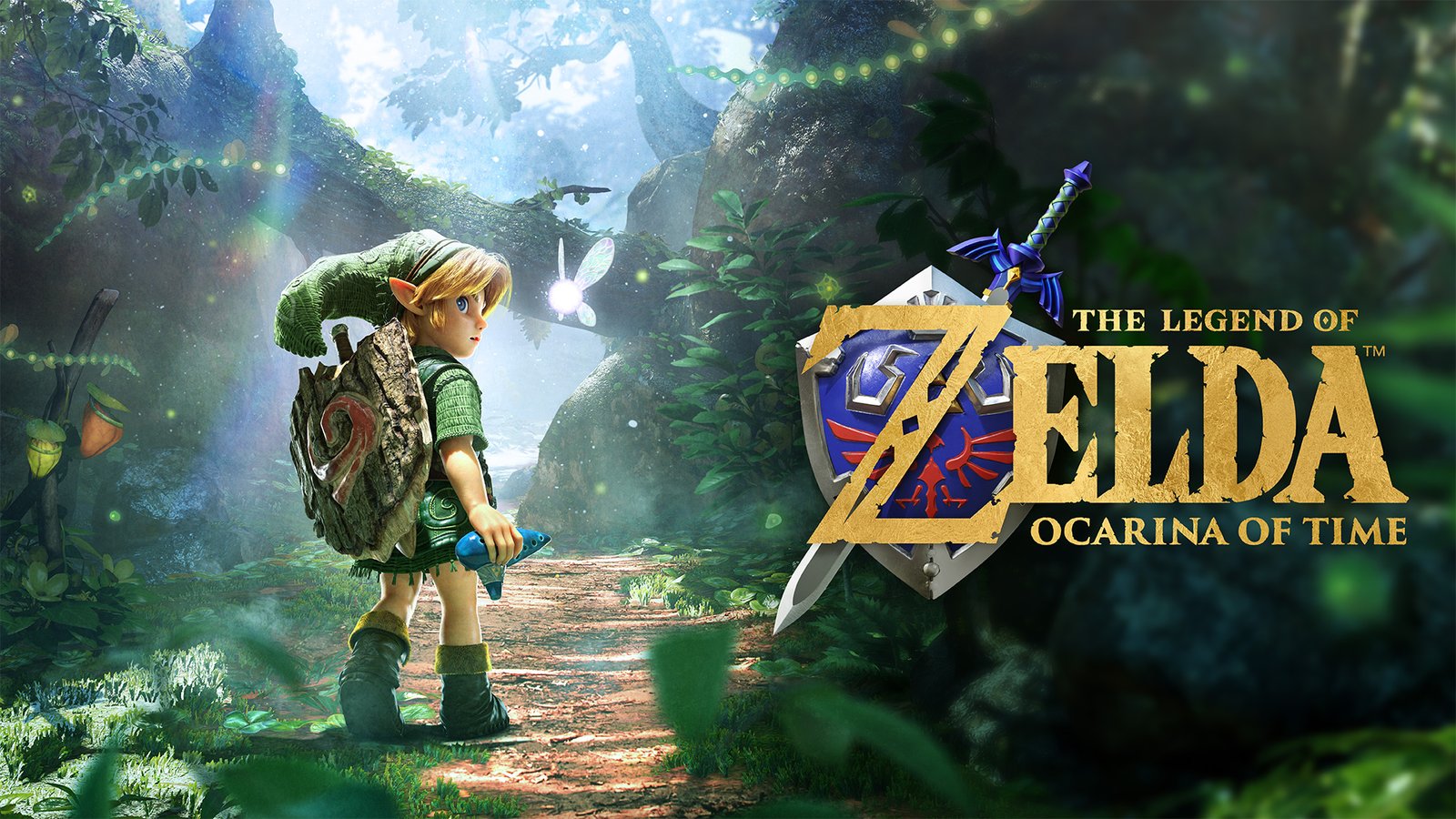
Physical game sales have been declared dead so many times that another obituary would barely raise an eyebrow. Then a 1998 Nintendo 64 landmark, rebuilt from the ground up for the Switch 2, went ahead and topped the 2026 US boxed charts inside a single week. Circana’s retail tracking data now lists the Ocarina of Time remake as the best-selling physical video game in the United States this year.
The ranking is the headline, but the threshold behind it is the real story. It is the first title to move more than one million physical units during a US launch week since The Legend of Zelda: Tears of the Kingdom landed on the original Switch back in 2023. Same franchise, same publisher, three years apart — and nobody else got close in between.
The launch at a glance
| Metric | Figure |
|---|---|
| Global sales, first four days | Roughly 5.2 million copies |
| US physical units, launch week | Over 1 million |
| US standing | Best-selling physical game of 2026 so far |
| Previous title to hit the mark | Tears of the Kingdom (2023) |
Mat Piscatella, senior director and video game industry advisor at Circana, shared the US figures on social media, noting the game had reached the top of the physical chart “after just one week.” Strong debuts in Japan and the UK had already signalled momentum, though the UK chart did see the game slip from the number one spot in its second week — a completely normal pattern for a front-loaded blockbuster launch.
Why a million boxed copies still means something
Digital distribution has swallowed the majority of software sales across most platforms, so a physical-only milestone can look like a footnote. In Nintendo’s case, it is anything but. The company’s audience has consistently stuck with cartridges and boxes at rates well above the industry average, partly out of collecting habits and partly because families still like handing over a game card as a gift.
There is a stranger wrinkle here too. The original Ocarina of Time has been playable through Nintendo’s classic games catalogue for years, which means millions of players paid full price for a modernised version of a title they could already access in some form. That says a lot about how much weight the Ocarina name still carries nearly three decades on.
Remakes are the safest bet in the business
Rebuilding an existing classic costs a fraction of what a new open-world epic does, and the marketing writes itself. Nintendo has leaned on this repeatedly — Link’s Awakening, Skyward Sword HD, and the Super Mario RPG revival all followed the same playbook. The difference is scale: none of those were expected to anchor a console’s first holiday season.
For Switch 2, that matters. A new platform needs system-sellers, and a prestige remake with instant name recognition does the job while the pipeline of original exclusives fills out. If the remake pushes hardware into homes, the attached software revenue follows.
Read the chart with a pinch of salt
A few caveats are worth keeping in mind before treating this as proof that discs and cartridges are back:
- Physical only. These figures exclude digital downloads entirely, so the true US launch total is considerably higher and includes buyers who never touched a box.
- Launch windows flatter. Week-one records almost always front-load. Legs over the following months tell a more honest story.
- Geography limits the picture. Circana’s tracking covers the US market, not global retail.
Comparisons across eras are also shaky. A 2026 milestone sits against a very different retail landscape than the one that greeted Tears of the Kingdom, with fewer storefronts and a smaller shelf presence for games overall.
Verdict / Takeaway
The headline number is impressive, but the lesson is narrower than it first appears. Physical media is not resurgent — it is consolidating around a handful of prestige releases from publishers whose fans actively want an object on the shelf. Nintendo happens to own most of that list.
For players, the practical takeaway is simple: a remake of this scale usually signals more to come, and a strong Switch 2 start makes the case for further legacy revivals easier to justify internally. For observers of the industry, the interesting question is no longer whether Ocarina of Time can sell. It clearly can. The question is how many other twenty-year-old names could do the same — and how many publishers are now quietly digging through their back catalogues to find out.
Source: Nintendo Life