
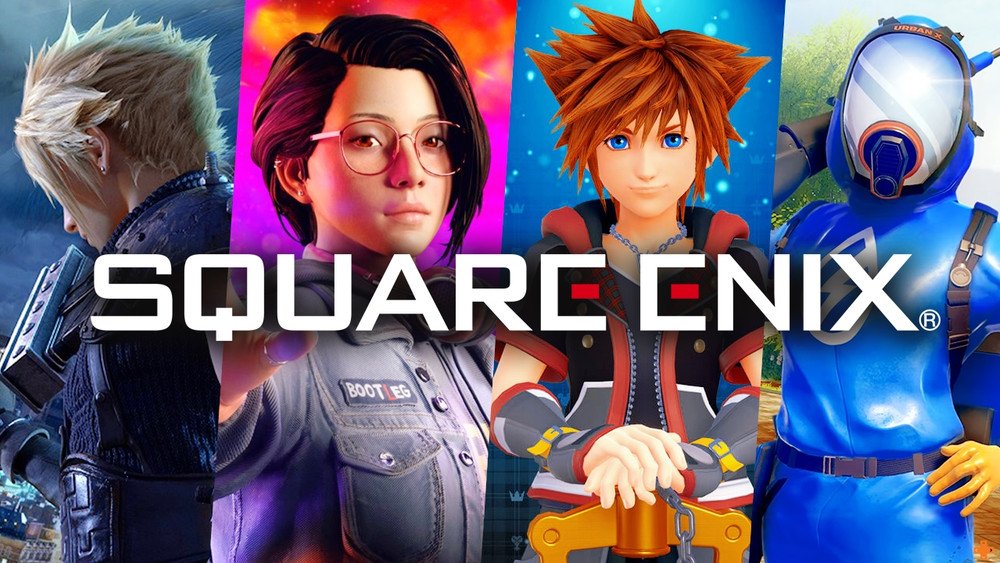
If you’ve bought a game recently, chances are you didn’t hand over cash for a plastic box. You probably clicked a few buttons and downloaded it straight to your console or PC. That shift isn’t just a gut feeling—it’s now showing up in cold, hard financial reports. Square Enix, the company behind Final Fantasy and Dragon Quest, has just revealed a significant surge in digital game sales, and it’s made the rare move of raising its financial forecast for the year. For a publisher that’s had its share of ups and downs lately, this is a welcome piece of good news.
The headline is simple: digital purchases are booming, while physical copies continue their steady decline. But the story behind those numbers tells us a lot about where the games industry is heading—and what it means for your wallet, your shelf space, and the future of game ownership.
The Digital Shift Accelerates at Square Enix
Square Enix’s latest financial report didn’t just meet expectations; it blew past them. The primary driver? A sharp increase in digital sales across its catalog. In the past, the company might have relied on big boxed releases to hit targets, but now the convenience of downloading a game from the comfort of your couch is clearly paying off. It’s a pattern we’ve seen across the industry, but for Square Enix, it’s a particularly notable turnaround given its recent struggles to consistently please investors.
What’s driving this? A few things. Console storage is bigger than ever, internet speeds are faster, and digital storefronts run constant sales that make impulse buying dangerously easy. Meanwhile, physical game sales have been shrinking year after year. Retail shelves that once groaned under the weight of new releases now devote more space to accessories and gift cards. It’s not that physical games are dead—far from it—but they’re no longer the default choice for most players.
Why Physical Media Is Fading (But Not Disappearing)
Let’s be clear: physical games aren’t going away tomorrow. Collectors still love steelbooks and box art. Some players prefer the ability to resell a game or lend it to a friend. And for those with slow internet, a disc is a lifesaver. However, the numbers don’t lie. The proportion of game sales that are digital has been climbing steadily for years, and the pandemic only accelerated that trend. Square Enix’s report simply confirms what many analysts have been saying: the tipping point is here.
It’s worth noting that Square Enix isn’t alone in this. Capcom recently made headlines by saying it plans for 95 percent digital sales in the near future. That’s an astonishing figure, and it shows how confident major publishers are that the physical market will continue to shrink. For companies like Square Enix, digital sales also mean better margins—no manufacturing, no shipping, no retail middleman taking a cut. That extra revenue can be reinvested into new games or, as in this case, used to boost the bottom line and please shareholders.
What This Means for Players and the Industry
So, what’s the practical impact for you? First, expect more aggressive digital promotions. Publishers love digital sales because they cost almost nothing to run, and they can discount older titles heavily without losing money on physical inventory. That’s good news for bargain hunters. Second, the push toward digital could accelerate the death of the second-hand market. If you can’t resell a game, you lose a bit of financial flexibility—though services like Game Pass and frequent sales soften the blow.
On the flip side, digital-only futures raise concerns about game preservation. When a storefront closes or a license expires, downloaded games can vanish. Physical discs, even with day-one patches, offer a tangible backup. It’s a trade-off between convenience and permanence that every gamer will have to weigh for themselves.
Financial Forecast and Company Health
Square Enix’s decision to raise its forecast is a strong signal that the company is stabilizing after a rocky period. The increased digital revenue gives it more breathing room to take creative risks and invest in new projects. It also puts pressure on the company to keep delivering games that people want to buy—digital sales are driven by hype and quality, not by shelf presence. If Square Enix can maintain this momentum, it could mark the start of a healthier era for the publisher.
Verdict / Takeaway
The digital revolution in gaming isn’t coming—it’s already here. Square Enix’s booming digital sales and raised forecast are just the latest proof that physical media is becoming a niche interest rather than the main event. For gamers, the upside is frequent discounts and instant access; the downside is less ownership control. The smart move? Embrace the convenience of digital, but don’t ditch your discs entirely if you value the ability to play offline or resell. And keep an eye on publishers like Capcom and Square Enix—their digital-first strategies will shape the next console generation. The lesson is simple: adapt to the download life, but stay informed about what you’re giving up.
Source: Push Square