
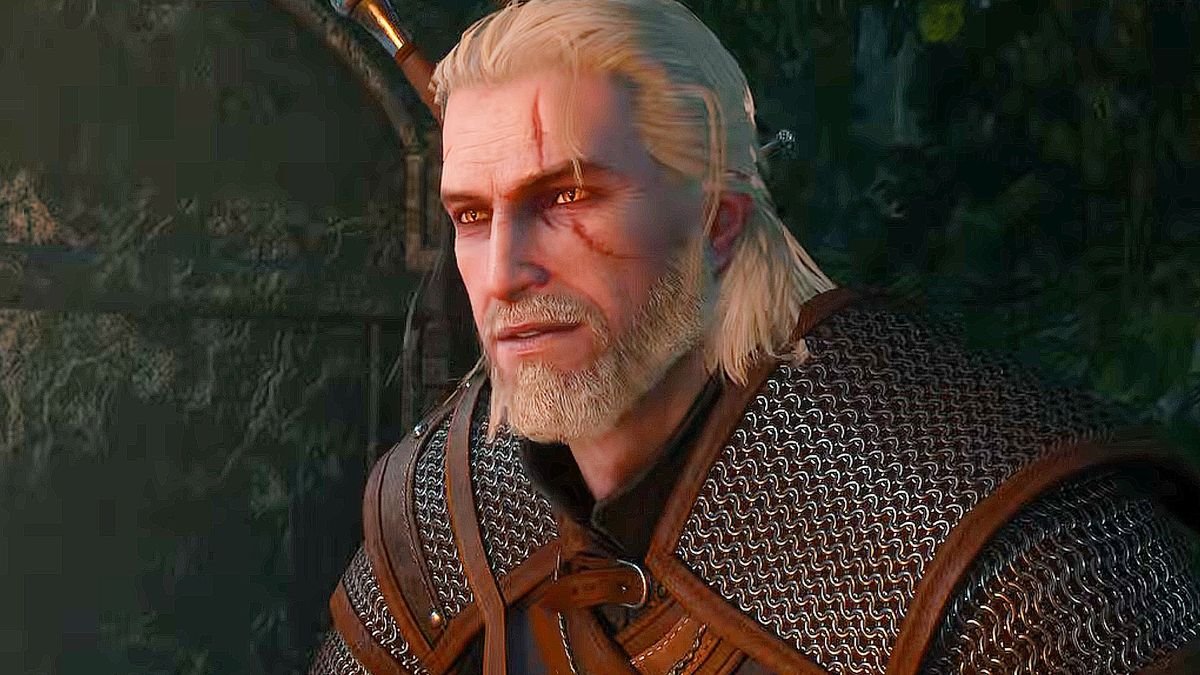
When CD Projekt Red shared a fresh comparison video showing The Witcher 3: Wild Hunt next to its upcoming enhanced version, the studio probably expected a wave of excitement. Instead, a chunk of the community walked away unimpressed, and some even argued that the original release looks better than the new one.
The clip in question puts the two builds side by side, letting viewers watch the same stretch of gameplay play out twice. On paper, that is a straightforward way to demonstrate the improvements. In practice, it turned into a debate about lighting, color grading and whether more detail actually means a better-looking world.
What the side-by-side actually shows
The footage focuses on a fairly ordinary slice of the game rather than a dramatic set piece. That choice matters, because subtle differences are easier to miss when nothing explosive is happening on screen. Viewers see the same environment rendered twice, with the newer version aiming for more realistic lighting, sharper textures and denser foliage.
At first glance, plenty of people did notice a clear gap. Shadows behave differently, materials pick up light in new ways, and distant objects hold up better on modern displays. For anyone who last played the game on a base PlayStation 4 or Xbox One, those changes are not exactly trivial.
Then came the second glance, and that is where things got messy.
Choose your cast – wisely. #TheWitcher3Remastered pic.twitter.com/zcgLSvLvDi
— The Witcher (@thewitcher) September 23, 2026
Why some players prefer the older look
A recurring complaint centers on color. The original Wild Hunt leaned into a moodier palette, with heavy contrast and a slightly washed, almost painterly quality that many players associate with the game’s identity. The updated build, according to critics of the clip, pushes toward warmer, brighter and more neutral tones. That shift can make certain scenes feel flatter, even if the underlying technology is more advanced.
Another sticking point is the fog and atmospheric haze. The older version often buried distant landmarks in mist, which hid technical limitations but also gave the world a sense of scale and mystery. When that haze is dialed back, landscapes can look cleaner and more readable, yet also noticeably smaller.
There is also the question of what people are actually comparing. A compressed video on a streaming platform is a terrible way to judge visual fidelity. Compression crushes fine detail, flattens gradients and can exaggerate banding in skies. Several commenters pointed out that the differences they were arguing about might partly be artifacts of the upload rather than the game itself.
The remaster is doing more than a fresh coat of paint
It helps to remember what this release is supposed to include beyond visuals. The enhanced edition bundles in ray tracing support on capable hardware, faster load times, a photo mode, and a set of quality-of-life tweaks that players have requested for years. There are also new camera options and adjustments to how Geralt controls, which matters a lot for anyone who found the original movement a bit stiff.
Console players get the most obvious upgrade. Performance and quality modes let them choose between smoother frame rates and higher resolution, something the last-generation versions simply could not offer. On PC, the picture is more complicated, since modders have spent years pushing the game far beyond what the developers originally shipped.
That last point is worth sitting with. A dedicated modding scene has produced lighting overhauls, texture packs and reshades that rival or exceed what a studio can reasonably deliver in a single patch. For veteran PC players running heavily modded setups, the official upgrade may not look like an upgrade at all. It may look like a sidegrade.
A familiar pattern before release
This kind of backlash is not unusual. Pre-release comparison videos tend to attract intense scrutiny, partly because they are the only concrete thing fans have to react to. Every frame gets paused, zoomed and measured. Expectations harden long before anyone can install the game and judge it on their own screen with their own settings.
It is also worth noting that promotional footage is often captured in specific conditions, sometimes on high-end hardware, sometimes with particular settings enabled. What a trailer shows is not always what the average player will see. That gap has burned audiences before, which explains some of the skepticism here.
Still, dismissing every complaint as premature would be just as lazy. Color grading and art direction are legitimate creative decisions, and fans are allowed to prefer the original’s moodier presentation. Technical improvements do not automatically make an image more pleasing, especially when the original art direction is what people fell in love with in the first place.
What happens next
The real test comes at launch, when players can toggle between modes, tinker with settings and compare scenes directly on their own hardware. A short clip cannot settle arguments about performance, stability or how the game feels in motion. Frame pacing and input response matter far more in practice than any still image.
CD Projekt Red has handled rocky launches before, and the studio has shown a willingness to patch aggressively when something lands badly. If enough players push back on the color palette or the lighting, post-launch adjustments are not off the table. Whether the team chooses to act on that feedback is another matter entirely.
For now, the conversation is split. Some see a meaningful modernization of an already great game. Others see unnecessary tampering with a look that aged better than expected. Both camps are watching the same footage and walking away with opposite conclusions, which is exactly the kind of argument that tends to follow big remasters around.
The one thing everyone seems to agree on is that The Witcher 3 still holds up remarkably well. That is precisely why the comparison stings for some fans: when the original remains this striking, improving on it convincingly is a much harder job than it sounds.
Here is a comparison video:
Source: IGN News